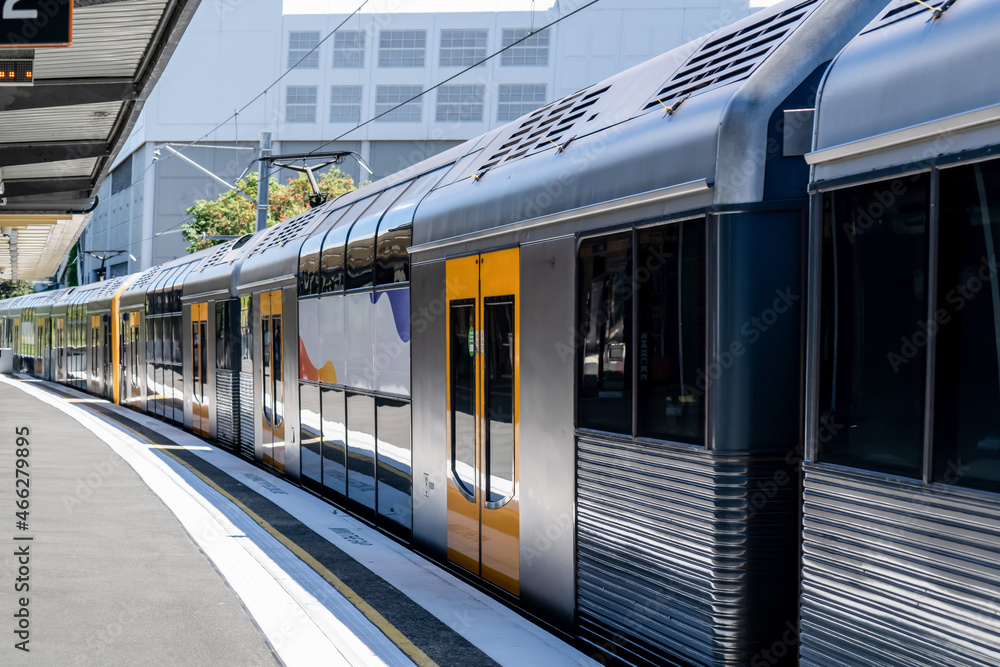
Engineering-led OT cybersecurity for rail and transport environments – built around safety, service continuity and long-life operational systems.
Rail and transport systems are maintained, upgraded and connected while they continue to support safe, reliable operations. A cyber issue can affect more than data: it can disrupt maintenance access, delay commissioning, interrupt passenger services or reduce confidence in the systems that support critical infrastructure.
The challenge is usually found at the interfaces – between operational systems, communications networks, engineering workstations, remote vendor access and enterprise services. Those interfaces can span long asset lifecycles, multiple delivery partners and unclear boundaries of ownership.
For rail, that may include stations, depots, signalling-related systems and wayside communications. Across other transport environments, the same challenge appears in the operational systems, field devices and networks that keep services moving.
That is where practical OT cybersecurity matters: understanding what is connected, what depends on it, who can change it and how controls can be introduced without creating a new operational problem.
Transport assets are built to last. Control platforms, engineering tools, communications equipment and field devices can remain in service for decades, often with specialist support arrangements and limited opportunities for replacement. “Patch everything” is rarely a realistic answer.
We help teams reduce risk through controls that fit the environment: clearer network boundaries, controlled remote access, accurate asset and dependency records, disciplined change processes and tested recovery arrangements.
The work also has to fit the delivery plan. Security changes may need to be designed around possessions, shutdowns, commissioning activities and tight maintenance windows. Bringing OT cybersecurity in early gives the project team time to test, verify and hand over controls properly – rather than trying to bolt them on at the end.
Where projects or operations need to demonstrate compliance, we apply the relevant elements of AS IEC 62443, ISO/IEC 27001, Australian Government guidance and, where applicable, SOCI and CIRMP requirements. The aim is not a compliance pack left on a shelf; it is clear, tested and maintainable controls with defined ownership throughout the asset lifecycle.

Identify the systems, dependencies and cyber scenarios that could affect safety, service continuity or delivery.
Establish reliable records of assets, communications paths and critical dependencies before planning change.
Design practical network boundaries that reduce unnecessary exposure while preserving essential rail communications.
Improve control of vendor, maintainer and engineering access without obstructing legitimate support activities.
Build cybersecurity into design, procurement, testing, commissioning and handover.
Maintain ownership, change control, evidence and recovery arrangements after the project closes.
Planning an upgrade, responding to an assurance finding or improving the security of a live operational environment?